Klara Peters · 2 September 2026
Harbor authorities have introduced advanced sensor technology to enhance vessel navigation during periods of dense mist. These systems integrate multiple detection methods to provide real-time data on surrounding conditions and vessel positions. Recent implementations focus on reducing risks associated with low visibility in busy coastal ports.
Integration of Radar and Lidar Systems
The new sensors combine traditional radar with lidar technology, allowing for precise mapping of harbor layouts even when visibility drops below 100 meters. Tests conducted over the past six months showed a 40 percent reduction in navigation errors across multiple trial routes. Operators report that the sensors detect obstacles such as buoys and other vessels with greater accuracy than previous equipment. This development addresses common challenges faced by maritime traffic in coastal areas prone to fog. Engineers calibrated the equipment to account for varying mist densities, ensuring consistent performance across different weather scenarios. Data from the sensors is transmitted directly to ship bridges and port control centers for immediate use in decision making. Additional features include automated alerts for sudden changes in environmental conditions that could affect safe passage.
Benefits for Maritime Operations
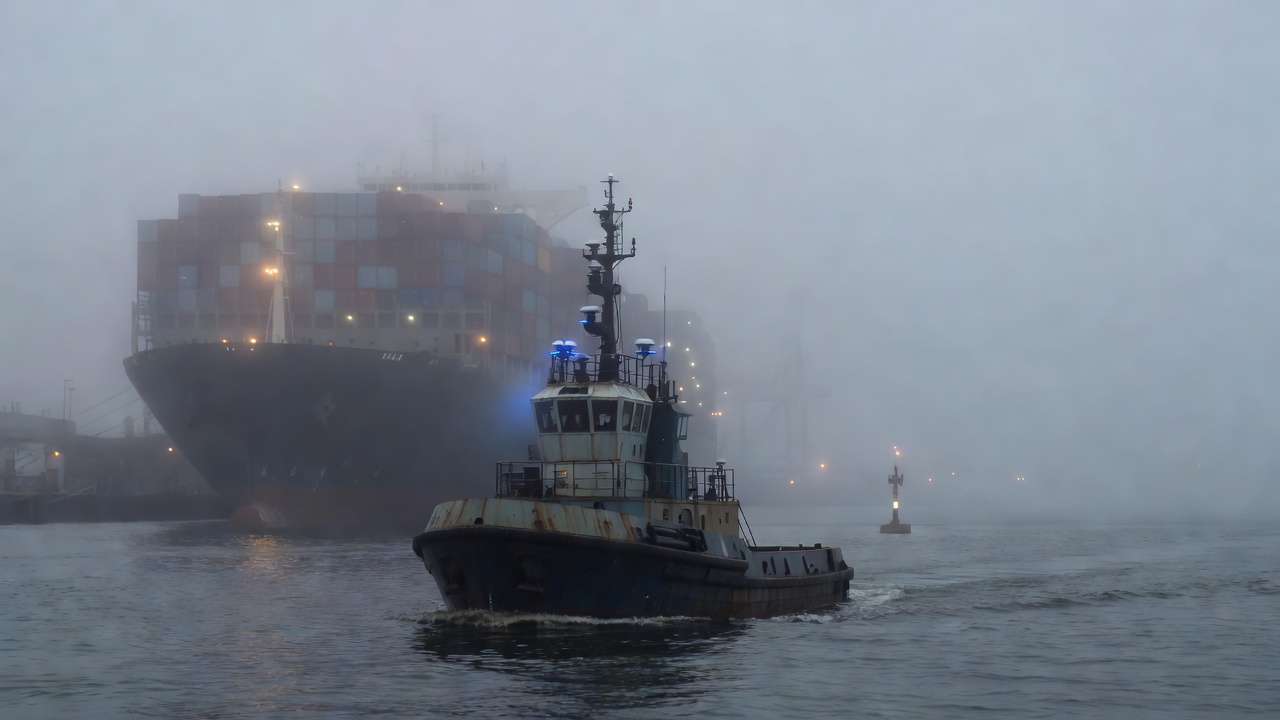
Maritime safety has seen notable improvements since the deployment of these sensors. Shipping companies have noted fewer delays in port entries, leading to optimized schedules and reduced fuel consumption. In one instance, a cargo vessel successfully maneuvered through thick mist using the enhanced guidance without incident. Broader adoption is expected to lower insurance costs for operators who equip their fleets with the technology. Future expansions include incorporating artificial intelligence to predict mist patterns based on historical data. Regulatory bodies are reviewing standards to incorporate these technologies into mandatory equipment lists for larger vessels. Overall, the initiative represents a significant step forward in adapting to environmental challenges in harbor management while maintaining efficient cargo flow.